
Powering West Virginia’s Energy Future: New Generation Projects in West Virginia
Planning for What Comes Next
Powering what comes next in West Virginia means planning ahead. As energy needs evolve, it is essential to ensure the system is prepared to deliver reliable electricity – today and for years to come.
Demand for electricity is increasing across the region, driven by homes, businesses and emerging industries.
Thoughtful investment in new energy resources is needed to help reliably serve customers, support economic growth and strengthen the state’s energy system.
Power Generation in West Virginia
A strong and dependable electric system depends on having sufficient generation available when it’s needed most.
Expanding in-state resources can help reduce reliance on outside power and support more stable service.
Building new generation helps ensure that electricity remains available during periods of peak demand, extreme weather and times when reliability matters most.
New Generation Delivers
-
Reliable Power When It’s Needed Most
Modern, 24/7 generation can operate during high-demand periods and challenging conditions, helping maintain reliable service for customers.
-
Managing Costs Over Time
Expanding local generation reduces dependence on wholesale market power purchases and supports more stable and predictable energy costs over time.
-
Supporting Long-Term Growth
Reliable and available energy supports economic development. A strong electric system attracts new businesses, supports industry and creates opportunities across West Virginia.
Building for the Future: The Maidsville Energy Center
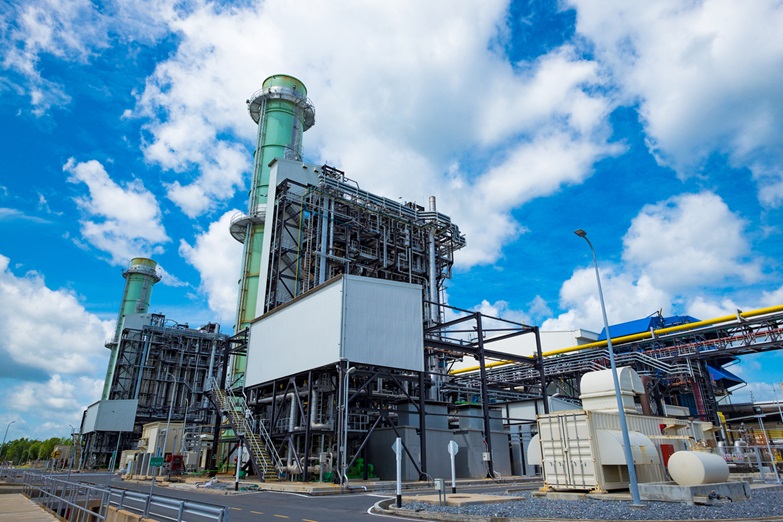
As part of this continued investment in West Virginia’s energy future, Mon Power and Potomac Edison have proposed new generation resources.
This plan includes a 1,200-megawatt combined-cycle natural gas plant in Maidsville, located in Monongalia County, and 70 megawatts of solar generation in Preston, Hancock and Tucker counties. The Maidsville Energy Center would not replace our existing plants but would instead complement them, adding another dependable source of power to help meet growing customer needs.
Read More On The Maidsville Project
Combined-cycle technology uses both gas and steam turbines to generate electricity more efficiently.
Together, these investments are designed to:
- Strengthen the local energy supply
- Reduce reliance on power sourced out of state
- Support construction jobs and generate economic activity across the region
This approach helps meet demand during peak periods like hot summer days and cold winter mornings.
Maidsville Energy Center: Economic Impact
-
Construction Phase
$2.5 billion investment in construction
$3+ billion total economic activity across the state
2,100 jobs annually supported during construction
$809 million total wages generated
$258 million state and local tax revenue
-
Long-Term Operations
$772 million annually in ongoing economic activity
1,000 jobs supported annually across the state
$83 million annual wages and compensation
$51 million annually in state and local tax revenue
Source: Bureau of Business and Economic Research John Chambers College of Business and Economics at West Virginia University
A System Designed for Stability
Maintaining a reliable electric system requires careful, long-term planning.
In West Virginia, energy decisions are guided by a framework that focuses on aligning generation resources with future demand.
By taking a long-term view, energy investments can be made in a way that helps reduce exposure to short-term market volatility while maintaining reliable service.
Through investing in modern, efficient energy resources, Mon Power and Potomac Edison are helping ensure West Virginia has the reliable, affordable power needed to support growth for years to come.