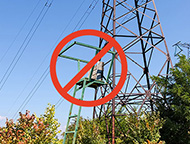
Electrical accidents
It's said that an ounce of prevention is worth a pound of cure. We hope you never need this information. But if you do, it could save a life.
If someone is involved in an electrical accident in or around your home:
1) Go to the main circuit breaker and turn off all power to the house. This will ensure all electrical circuits are de-energized.
2) Call 9-1-1 for medical help immediately. Injuries from electric shock are often internal and may be more serious than they appear. Some injuries may not become evident until hours later. Even if the victim remains conscious and insists he/she is alright, call for help.
3) Separate the wire or device from the person. Use a dry stick, broom, leather belt, rope or similar non-conductive object. Never grab the person, wire or device with your hands; you might become part of the circuit and be injured as well.
4) Give first aid until help arrives. If a neck or back injury is suspected, don't move the victim unless absolutely necessary. Apply mouth-to-mouth resuscitation and/or CPR if necessary. If the victim is breathing but unconscious, roll onto side to let fluids drain. Keep the victim lying down, warm and comfortable to maintain body heat. Cover burns with clean, dry sheets or blankets and elevate to prevent swelling. Remove constrictive clothing (shoes, belts, jewelry, tight collars, etc.) in case of swelling.
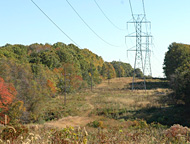
Outside Power Lines If someone comes into contact with an outside power line:
1) Call 9-1-1 for police and medical help. They will notify FirstEnergy immediately so the power can be turned off.
2) Do not attempt to remove the person from the line. You might receive a shock and be injured as well.
3) If the victim was thrown clear and is not in contact with the line, give first aid until help arrives. If a neck or back injury is suspected, do not move the victim unless absolutely necessary. Apply mouth-to-mouth resuscitation and/or CPR if necessary. If the victim is breathing but unconscious, roll onto side to let fluids drain. Keep the victim lying down, warm and comfortable to maintain body heat. Cover burns with clean, dry sheets or blankets and elevate to prevent swelling. Remove constrictive clothing (shoes, belts, jewelry, tight collars, etc.) in case of swelling.
Still need help?
Contact us with your questions.
|